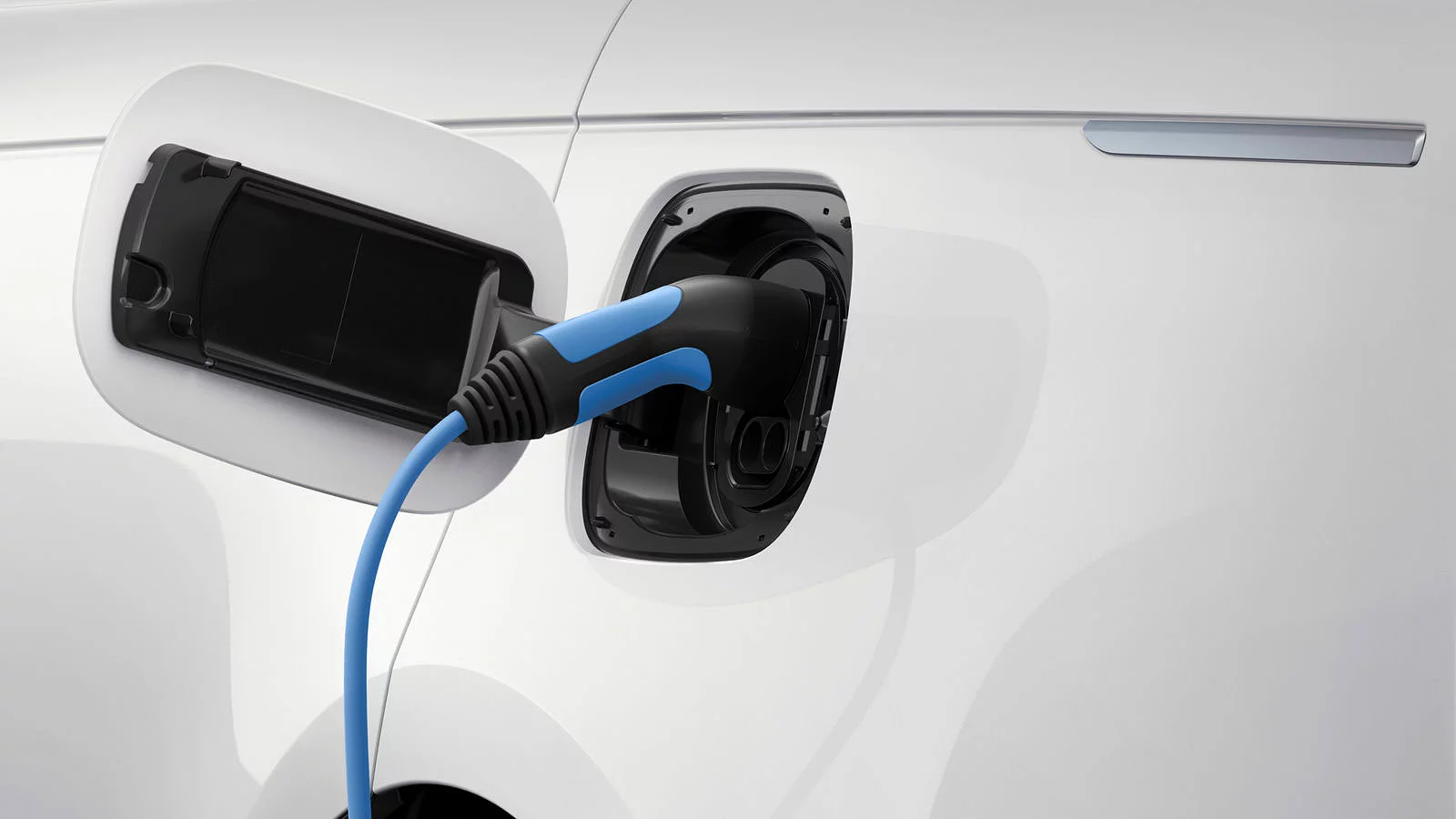
THE PERFECT WAY TO CHARGE
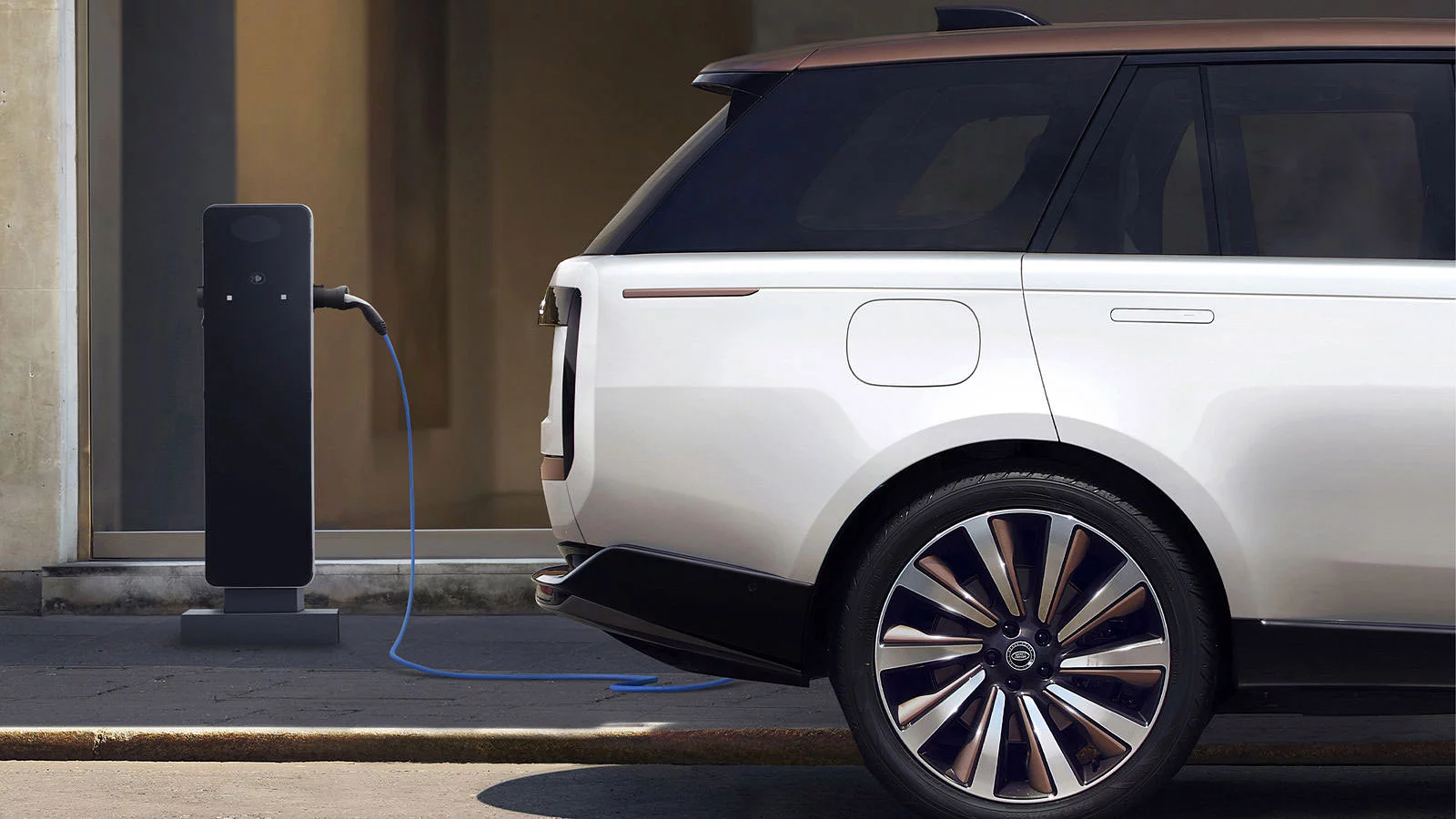
We recommend that most of your charging is done from the comfort of your home as it’s usually the cheapest and most convenient way to charge – as easy as plugging in your phone. The fastest way to charge at home is with a professionally installed home charger.
Before you purchase your vehicle, our preferred home charging providers will help you check the suitability of your property. Installation can depend on factors including the age of your property, availability of private off-street parking and an appropriate power supply.
YOUR FOUR SIMPLE STEPS TO
INSTALLATION

1. CHOOSE YOUR PROVIDER

2. COMPLETE YOUR SUITABILITY SURVEY

3. ARRANGE YOUR INSTALLATION DATE

4. GET SET TO START CHARGING
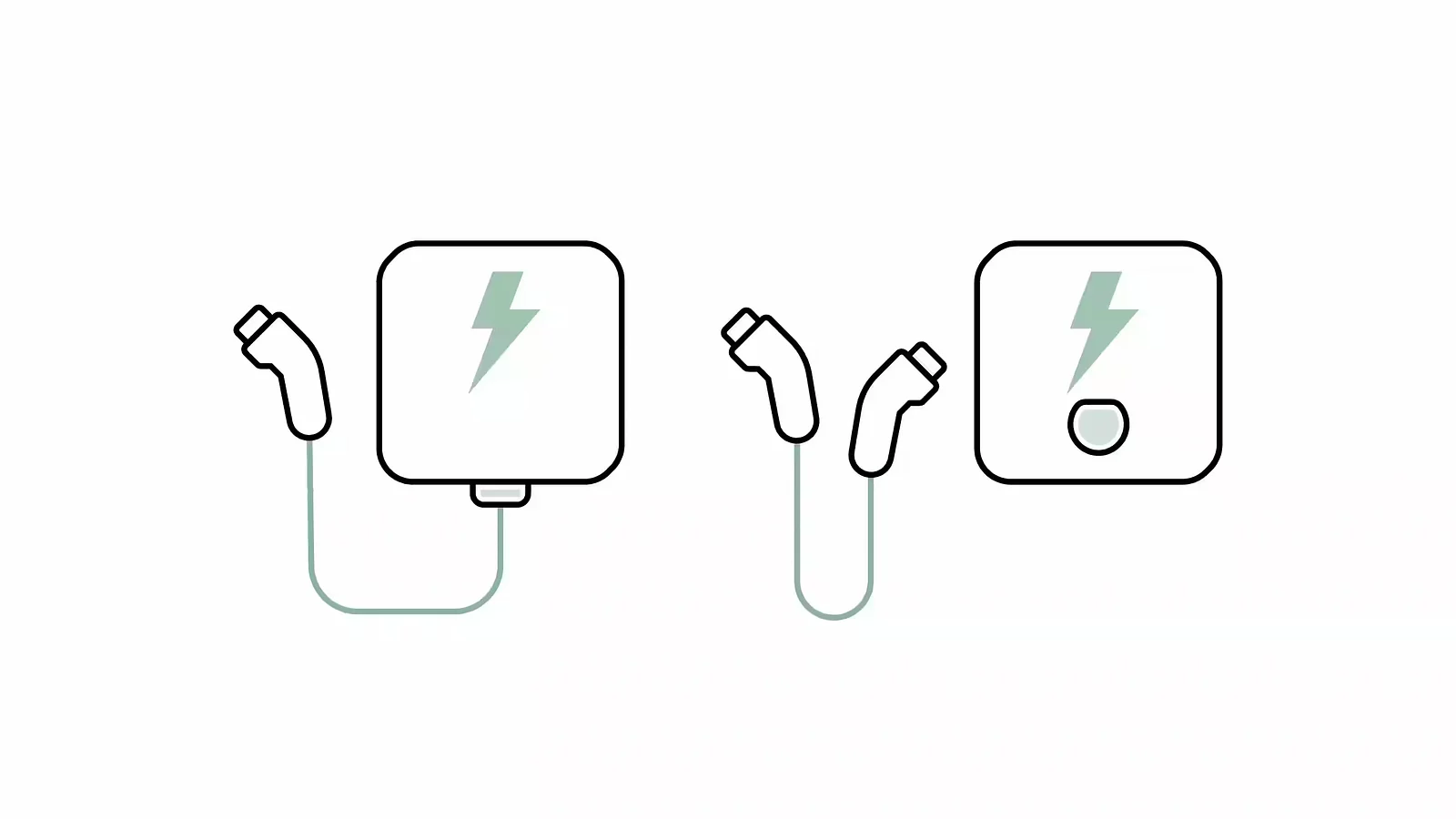
TETHERED VS. UNTETHERED WALL BOXES
Many providers offer a choice of tethered and untethered wall boxes.
For convenience, tethered wall boxes include a fixed cable that connects the unit to your vehicle. For more flexibility, untethered wall boxes use the charging cable stored in your vehicle.
OFF-PEAK ELECTRICITY TARIFFS
Not only does plugging in overnight keep your charging routine simple, it also means you could benefit from lower EV tariffs and a renewable energy promise from several providers.
Specific charging times can be set via your Range Rover InControl smartphone app2.
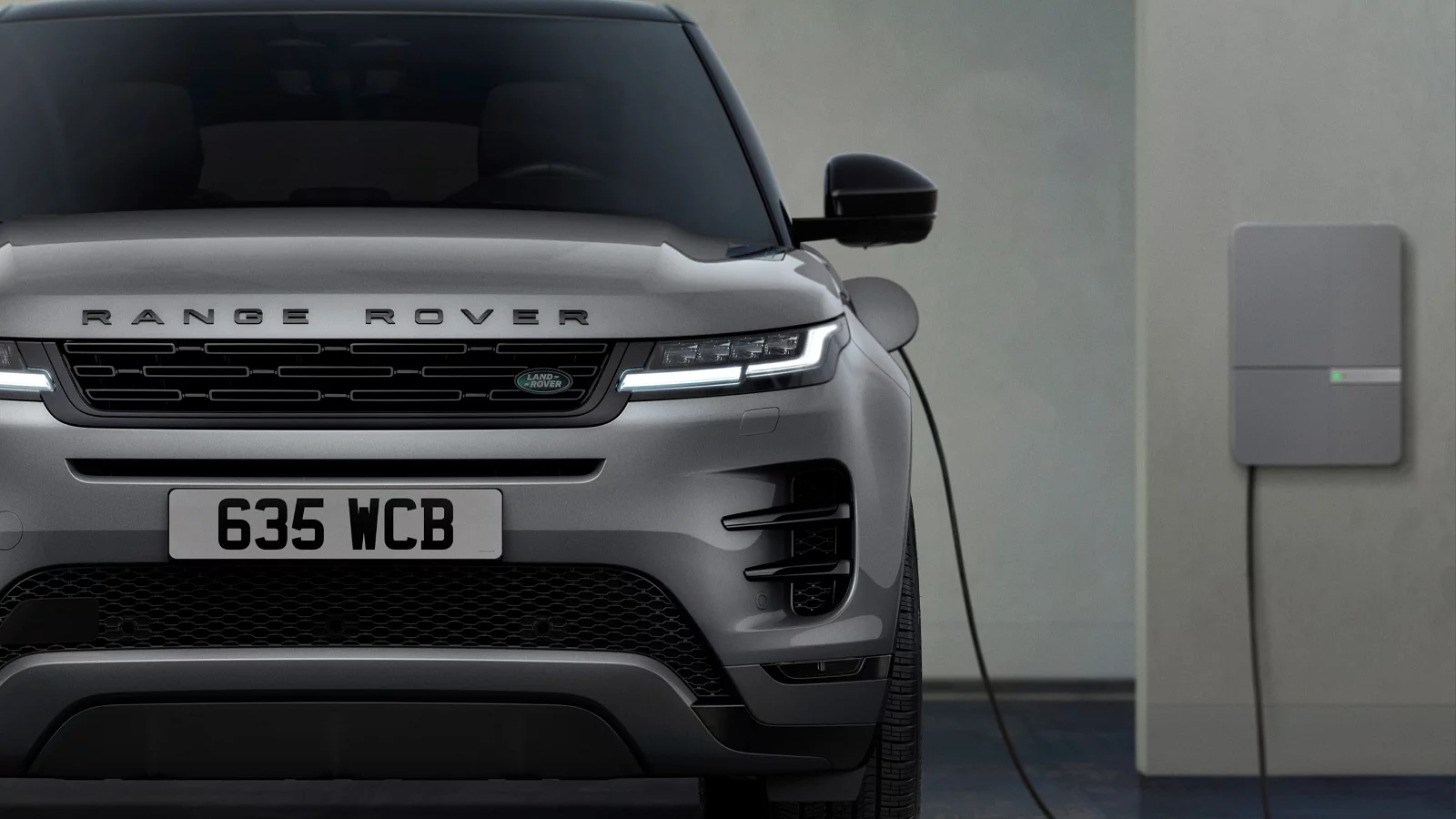
CHARGING AWAY FROM HOME
As the charging infrastructure continues to grow, there are now more places than ever to conveniently charge away from home.
Find, charge, and pay away from home with an extensive network of charging stations, and access to the Tesla Supercharger network1.
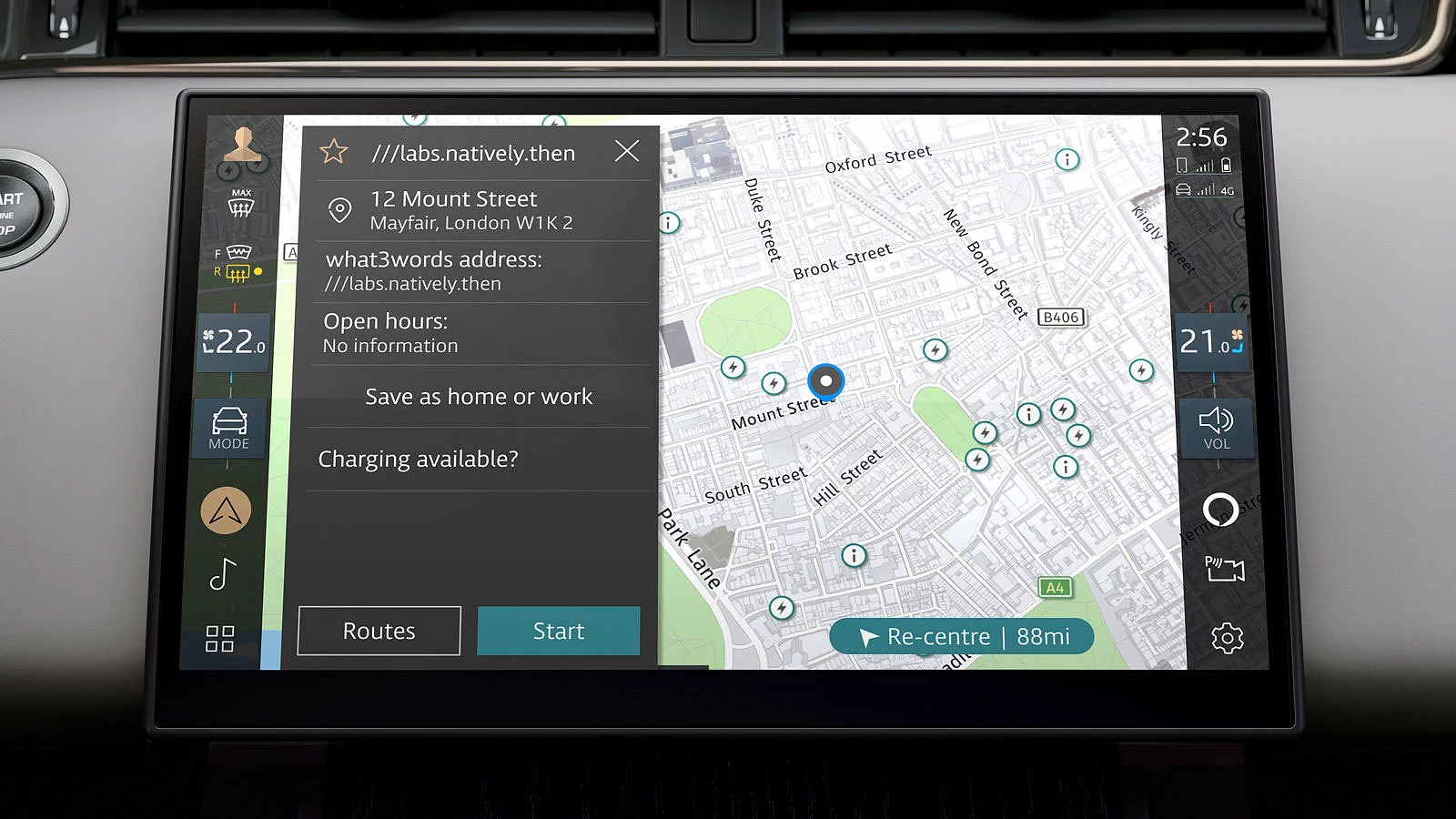
FIND CHARGERS USING YOUR IN‑CAR NAVIGATION
HOW DO I CHARGE AWAY FROM HOME?
To connect to a charging point, your vehicle uses a Combined Charging System (CCS). This is compatible with slower AC charging speeds, and on selected models, rapid DC charging speeds. Some other car manufacturers use different systems for charging such as CHAdeMO. These are incompatible with Range Rover electric vehicles.
Slower AC charging points are in places such as retail parks, gyms and car parks. Rapid DC charging points are typically located on motorways and main roads.

AC CHARGING

RAPID DC CHARGING
HOW DO I PAY FOR CHARGING?
TAP IT OR APP IT
Although some charge points are free to use, the majority are accessible via convenient pay-as-you-go methods, including mobile apps, membership accounts, or a contactless bank card. The cost of charging will typically be a combination of a connection fee, charging time (cost per hour) and/or the amount of energy used (cost per kWh).
TRACK YOUR CHARGING PROGRESS ANYWHERE
MONITOR AND CONTROL FROM YOUR PHONE
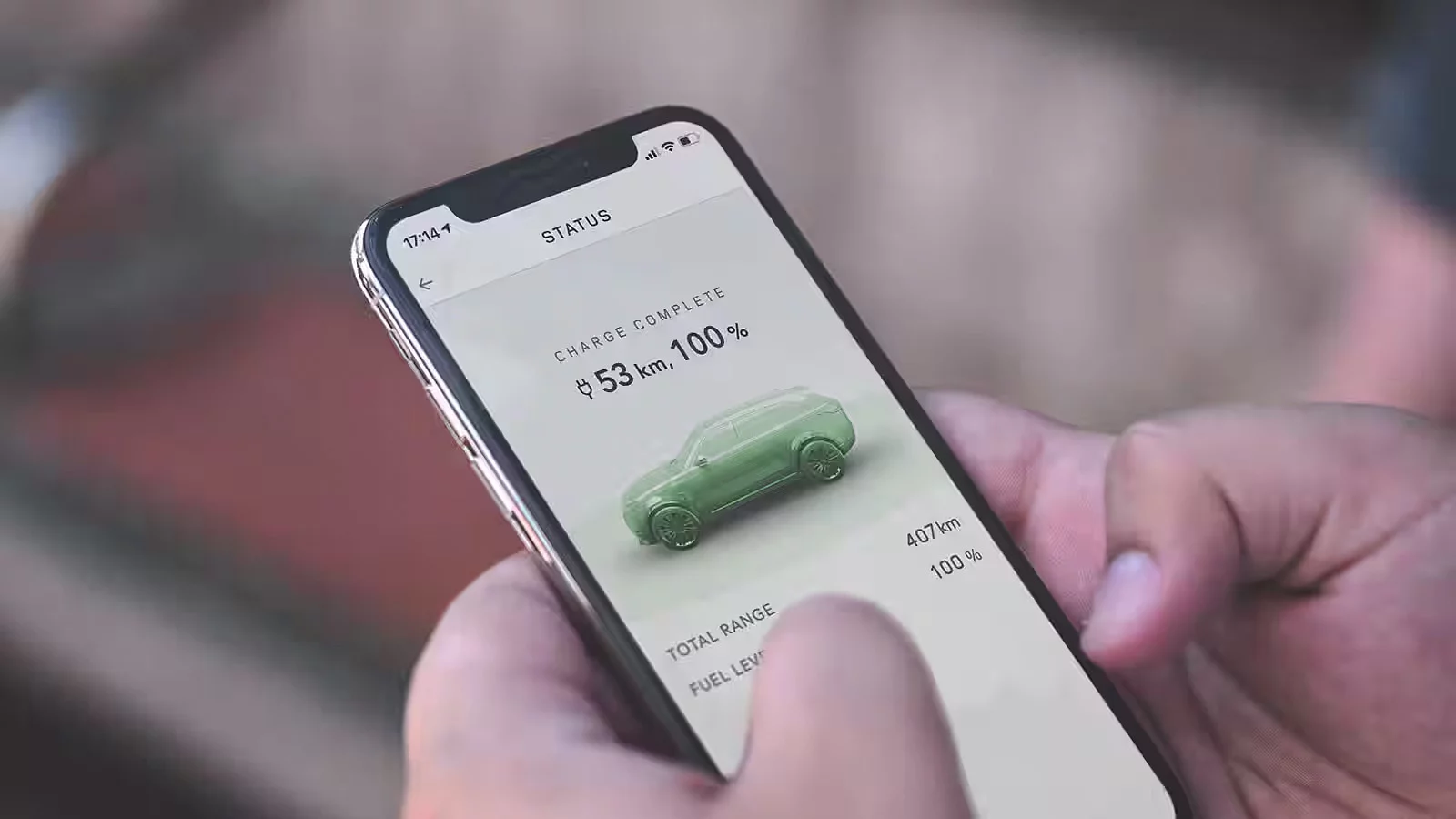
Once you’ve simply plugged in and walked away, your Range Rover’s InControl App1, 2 sends your charging status to your mobile. So wherever you are, you can plan your time productively and be ready to get back out there without missing a beat.
At home, your app’s timed charging feature can even be used to schedule charging during the daily window of off-peak electricity and lower EV tariffs offered by many home energy providers.
ELECTRIC HYBRID CHARGING TIMES
Our figures for rapid DC charging points – typically found at motorway service stations and main roads – are quoted up to 80 percent. This is because the charging speed slows down significantly above 80 percent to protect the battery and optimise its life.
| Vehicle | AC home and public charging (7kW) 0 – 100% | Rapid DC charging 0 - 80% | DC Charging (peak) |
| Range Rover Electric Hybrid | From 5 hours4 | Under 1 hour4 | 43kW |
| Range Rover Sport Electric Hybrid | From 5 hours4 | Under 1 hour4 | 43kW |
| Range Rover Velar Electric Hybrid | From 2 hours 30 minutes4 | From 30 minutes4 | 35kW |
| Range Rover Evoque Electric Hybrid | From 2 hours 12 minutes4 | From 30 minutes4 | 32kW |
DRIVING ELECTRIC

ELECTRIC DRIVING RANGE

OUR JOURNEY TO ZERO EMISSIONS
ELECTRIC AND ELECTRIC HYBRID VEHICLES
1Available in select markets only.
2InControl features, options and their availability remain market dependent - check with your Retailer for local market availability and full terms. Certain features require an appropriate sim with a suitable data contract which will require further subscription after the initial term advised by your Retailer. Mobile connectivity cannot be guaranteed in all locations.
3Electric vehicle cable available in select markets only. Speak to your local Retailer
4Charging times vary dependent on many factors, including but not limited to the age, condition, temperature and existing charge of the battery; facility used and duration of charge.